Every week we release educational videos related to hot topics in the mortgage industry on YouTube.
Subscribe to our channel to stay in-the-know!
Mortgage loans allow people to buy their own homes without having all of the cash upfront. Learn about the history of mortgages and why they exist here.
Of all US homeowners , about 63% of them carry some kind of mortgage, whether it be with a traditional lender or a private one. If you're a first time homebuyers or even a repeat buyer, you might be looking for a refresher on what mortgage loans are, and reveal how the ability to obtain a mortgage depends on your income, total debt, and your credit score.
And finally, the documents needed to become approved by most lenders. If you're looking to understand more about home loans and why mortgages exist, then be sure to keep reading.
A residential home mortgage is an agreement between you and a lender. The lender could be a financial institution, a private company, or an individual. The lender will have you sign a promissory note, that includes repayment terms, as well as a Deed of Trust. The Deed of Trust is the legally recorded document of record that states that if you do not pay the monies owed, the lender can foreclose, or take back the property used as collateral.
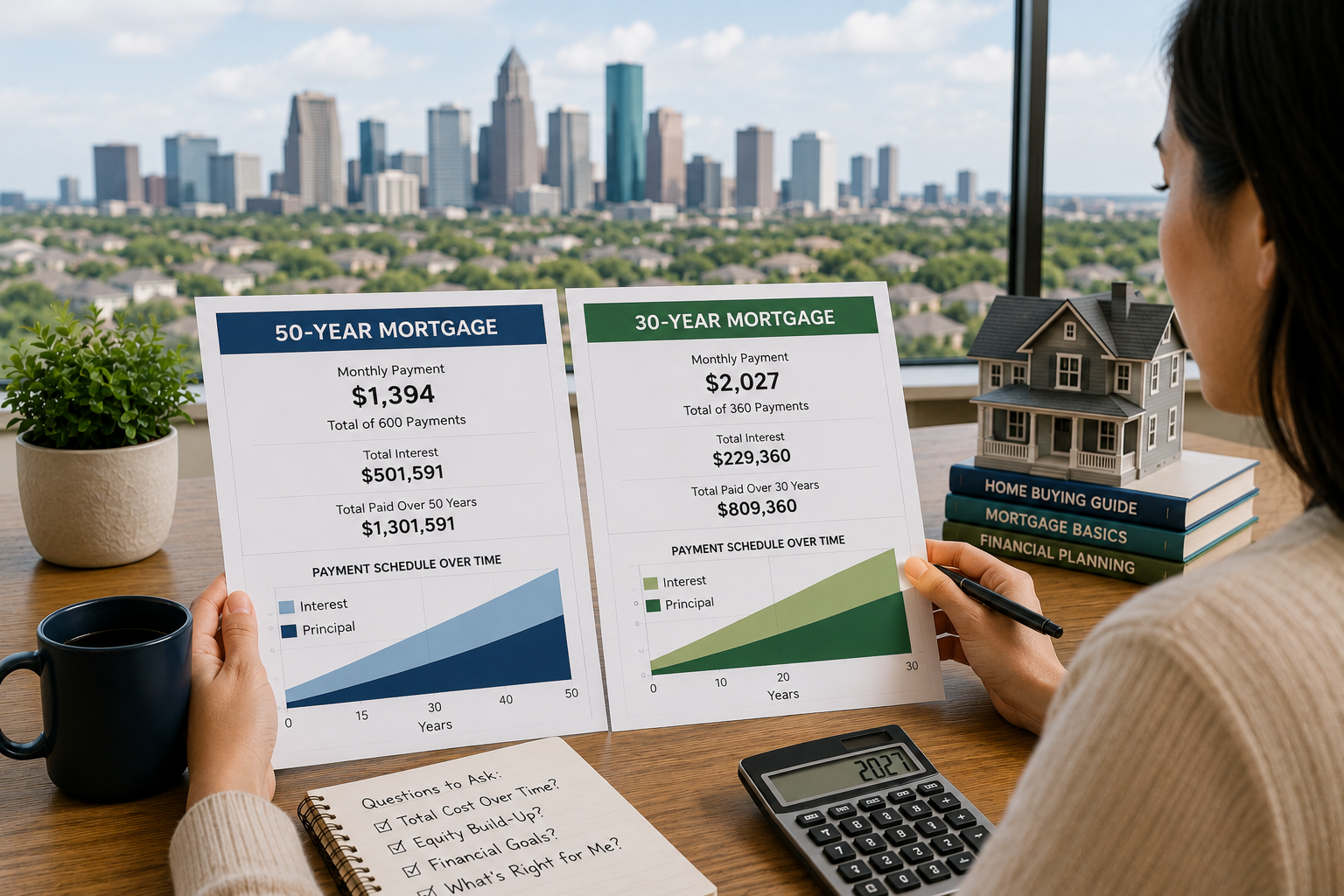
As a borrower, you're agreeing to repay the lender over a designated amount of time, with interest according to an agreed upon interest rate. Mortgage loan terms can be fixed or variable. The most common are fixed for 30, 20 or 15 years. This means that the payments are the same monthly according to an amortization schedule. If the mortgage terms are variable, otherwise known as an adjustable rate mortgage, the interest rate, and therefore payment, can vary at certain points of the mortgage.
Another characteristic of mortgage loans is whether they have a prepayment penalty. Although most traditional mortgages do not have a penalty for prepayment, it is wise to ask the questions anyway. If you are seeking a private mortgage through a private company or individual, this could come into play.
A fun historical fact for you is that the concept of mortgage debt dates all the way back to the Persians in the 5th Century BC! The word mortgage can be separated into 2 Latin words 'mort' and 'gage'. Meaning literally death and pledge. Mortgage in these ancient times, and still today, was a way to formally document the legal and binding process of pledging the home and land as collateral for the loan being given.
The more modern day mortgage as we know it, began in the 20th century in the times around the Great Depression. In 1934 the federal government created the Federal Housing Administration, better known as FHA. This agency was created to help rebound the home purchase market in the wake of the hard financial times, and help spur home ownership.
A few years later in 1938, Fannie Mae was also created and there the 30 year mortgage was born that we know and love today. Before this time, it was common that 50% down was required on a home mortgage from a bank, with very different terms than we see in these modern times.
Your mortgage payment is primarily and firstly composed of a combination of principal and interest to repay the loan over a certain number of years. The most common repayment terms for traditional institutional mortgages is 30, 20 or 15 years.
In addition to the principal and interest, you could be obligated to include property taxes and home insurance via an escrow account set up with the lender. This decision is made by the lender, and usually depends on how much of a down payment is made. Usually, when 20% or more is paid down, the lender will allow the payment of property tax and insurance to be optional. On the other hand, if less than 20% is put down, an escrow account will be created for the lender to include taxes and insurance in your monthly payment each month.
As mentioned in the prior section of this article, if you are on a variable, aka adjustable rate mortgage, your payments could change with time. Additionally, as years go by, property tax and home insurance costs increase in general, and payments could go up yearly for those reasons as well. Be sure to discuss these possibilities with your local mortgage lender.
There are a few essentials to know about qualifying for a mortgage. The guidance I'll give in this section would be assuming mainstream or traditional lenders, not private lenders. For most home mortgage loan programs, credit is the number one factor when applying for a mortgage.
Credit scores are generated automatically using a credit scoring system. Not all credit scores are the same. In fact there are over 25 credit simulators currently, and maybe more. All mortgage lenders do usually analyze the same scoring model. So its important to apply with a lender as soon as possible. There are programs with scores as little as 580 up to 850. The higher your credit score, the more options you will have for programs, especially with FHA or Conventional Loans, which are the most common in the traditional lending marketplace.
The next important factor regarding qualifying for a mortgage is Income and Employment History. If you have a 2 year history of employment, even if with multiple employers, that is the first requirement of income. The 2 year requirement is usually waived if you have been at university or other trade school to advance in a career. Other types of income may not need the 2 year history, such as social security, pensions, retirement income, disability income or child support. These are the most common, but not the only sources of income used for qualification.
The third component of qualifying for a mortgage is down payment. There are mortgage loans with as little as 0 down payment. This would be VA loans or USDA loans, that are both offered through the federal government. These loans have specific qualifications that not every homeowner meets. So the most mainstream down payments are for FHA loans with a 3.5% minimum down payment, or a Conforming Conventional Loan with a 5% down payment minimum. If you are a first time buyer you likely qualify for a 3% down payment.
There are also down payment assistance programs available in most cities and states to help homeowners in lower income brackets.
Here is a link to our other article about buying a home with low income if this applies to you.
The very first step to attaining a mortgage is to secure your pre-approval letter from a mortgage lender. To get a pre-approval letter, you'll need to be ready to provide the following documents:
Be sure to gather these documents before applying for your mortgage pre-approval letter.
When applying for a mortgage for the first time, it can be overwhelming with all the anticipation and uncertainty about the paperwork needed from the lender.
We've compiled an easy-to-use checklist on all documents required to get pre-approved for a mortgage in Texas. Simply click the link below and download!
Once you sense that you have credit, income and savings for your home purchase, its a great idea to start talking to a lender. It is NOT mandatory that all these things are in hand at the time of pre approval. Although it helps. But we suggest buyers start talking to a lender sooner than later, as little as 6-12 months from starting your home search, so that you can be prepared and have homework assigned if needed to get you into your dream home!
If you're ready for a mortgage pre approval, then contact Loan With Jen. We have been in the mortgage business since 1995 and have decades of experience with residential mortgages. We would be honored to consult with you further.




All Rights Reserved | Jennifer Hughes Hernandez | Senior Loan Officer | NMLS #514497
Full service residential lender with an experienced team offering expert service, reliable communications and on-time closings in the greater Houston area.
Every week we release educational videos related to hot topics in the mortgage industry on YouTube.
Subscribe to our channel to stay in-the-know!
Gardner Financial Services, Ltd., dba Legacy Mutual Mortgage, NMLS #278675, a subsidiary of Prosperity Bank. 18402 U.S. Highway 281 N, Ste. 258, San Antonio, TX 78259. AZ BK-2001467. Check registration and licensing at nmlsconsumeraccess.org. Legacy Mutual Mortgage is an Equal Housing Lender. This is not a commitment to lend. Material is informational only and should not be construed as investment or mortgage advice. Legacy Mutual Mortgage is not an agency of the federal government. Not all loan products are available in all states. All loans are subject to credit and property approval. Not all applicants qualify. Restriction and conditions may apply. Information and programs current as of date of distribution but may change without notice. [11/2025]