Every week we release educational videos related to hot topics in the mortgage industry on YouTube.
Subscribe to our channel to stay in-the-know!
Buying a home is an exciting time! As you are preparing for your purchase, whether its your first time, or your tenth time, there are changes constantly happening in the industry! This article will cover closing costs when purchasing a home, which are paid in addition to any down payment.
Not only are there closing costs the day of closing, but we have a helpful article about other hidden costs of purchasing a home that is good to be aware of.
Closing costs refer to the expenses associated with the completion of a real estate transaction when purchasing or refinancing a home. These expenses are in addition to the purchase price or refinance loan balance of the home. Closing costs are a variety of fees and expenses that are paid at the closing day. Whether you pay cash or finance, there are fees involved. Paying cash definitely reduces required fees. Almost an estimated 70% of people finance homes, so that is what this article will concentrate on.
Closing costs can vary depending on state in which you are buying, so we always recommend checking with a
local state lender where you live . It is important to consider closing costs when buying a home as they can impact the total cost of the purchase.
In addition to lender fees, there are other services that are required to coordinate for the home purchase or refinance to happen. Keep in mind that some of these fees are still also present if paying cash for the home.
These costs can add up quickly and significantly increase the overall cost of buying a home. By being aware of all of the expenses involved in the home buying process, buyers can better budget and prepare for the costs of owning a home.
It's also important to note some common
hidden fees when buying a home.
Closing costs can vary depending on various factors, such as the location of the property, the type of mortgage, and the lender. According to Bankrate, closing costs can range from 2% to 5% of the purchase price of the home. Most closing costs are fixed, like lender and title fees. But, what can be variable, and dependent on the purchase price, are the prepaid property taxes and homeowners insurance. Many loans require the establishment of an escrow account for property tax and insurance. For this reason, it is crucial to get a loan estimate of closing costs from your local lender and to review the estimate carefully to ensure that all fees are understood.
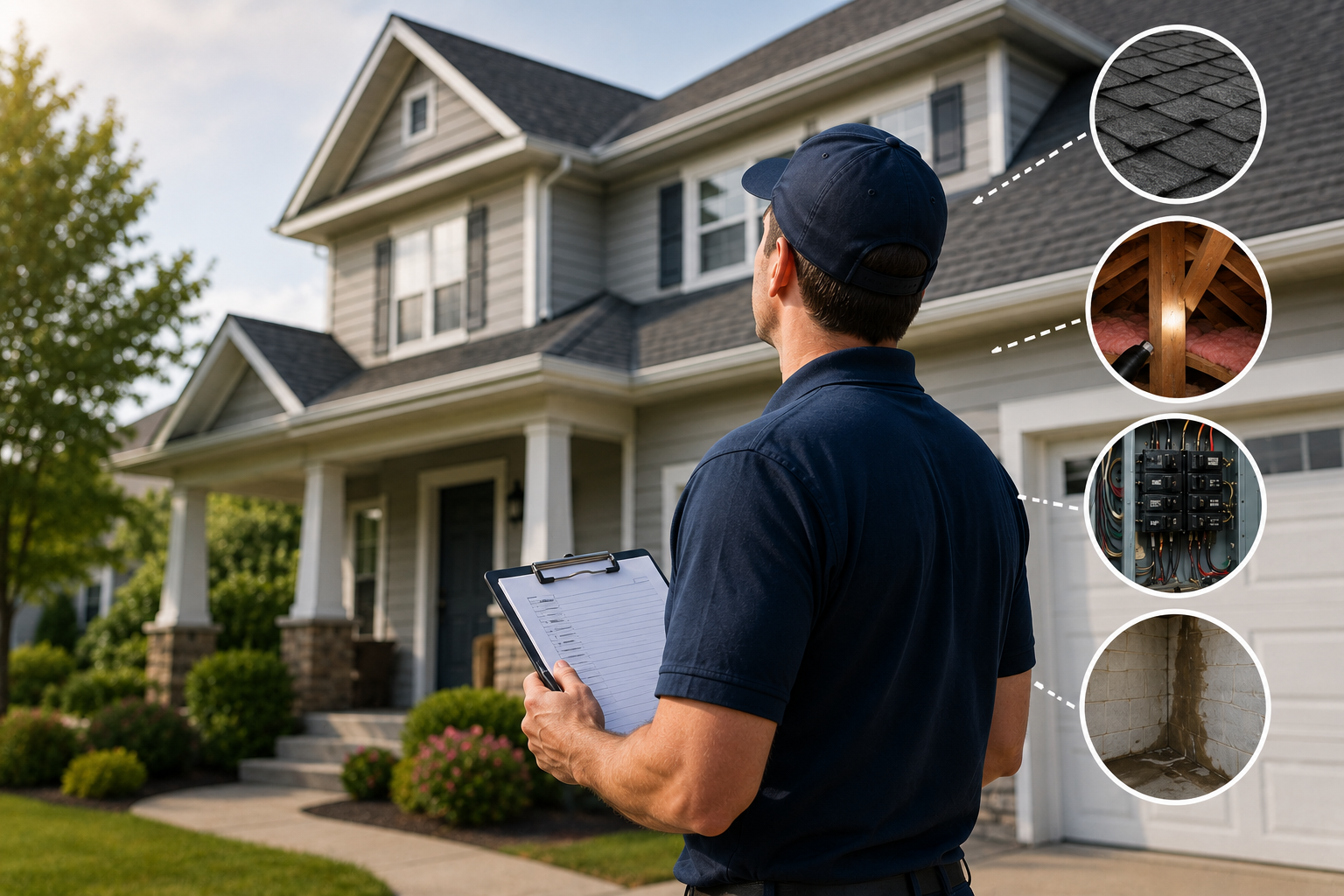
It is important to be prepared for unexpected costs when buying a home. In addition to the estimated closing costs, there may be unexpected fees or expenses that arise during the home buying process. It is a good idea to set aside some extra money to cover unexpected costs or to negotiate with the seller to cover some of the costs.
Here is a great article on the Top Hidden Costs When Buying A Home.
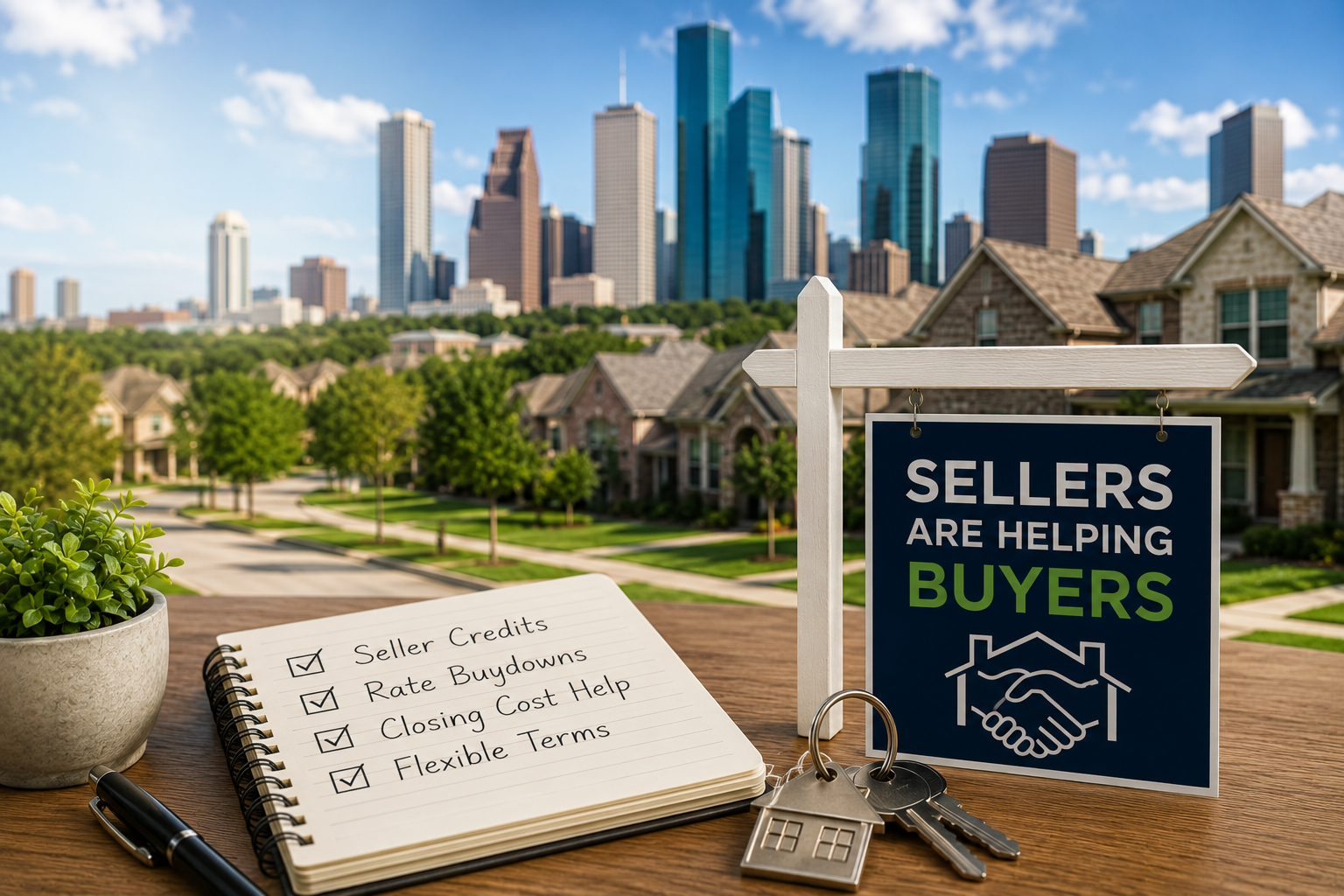
When buying a home, negotiating closing costs can save a large amount of money. The seller may be willing to contribute an amount to the buyer's closing costs. This can help reduce the financial burden of purchasing a home.
If obtaining a loan from a financial institution, like a Conventional or FHA loan, there are limits in place that restrict the amount that a seller can contribute. In general, conventional loans will limit on a primary residence the seller credit to 3 ,6 or 9 percent of the purchase price, depending on your down payment. An FHA loan, has a flat 6 percent of the purchase price limit. IMPORTANT NOTE: The amount of seller credit cannot exceed your actual closing costs . In many cases, once the loans exceed 300,000 or so, the allowable credit is more than the actual costs. This would be a great time to increase costs with mortgage discount points to buy the rate down, or even fund a 2/1 buydown of the interest rate. That would increase your closing costs, so that you could reap more credit from a seller if negotiated!
Just remember that anything is negotiable, and can be more successful when you are using a realtor, who will have lots of experience in this area. Realtors know the market, and know how to talk to sellers and their agents about what can be a fair offer for both buyer and seller.
One way to negotiate with the seller is to offer to pay a slightly higher buy price. This can be in exchange for the seller covering a part of the closing costs. Of course no one wants to pay more, but for some buyers, especially first timers, this can be a huge help in out of pocket expenses. When you spread a slightly higher price over 30 years, the change in your mortgage payment is usually negligible.
Another choice for reducing closing costs is to shop around for lenders that offer lower closing costs. Some lenders may be willing to waive certain fees or offer discounts, which can help lower the cost of obtaining a mortgage.
It's important to keep in mind that negotiating closing costs is not always possible or successful. However, it's worth exploring different options and working with the seller and lender to find ways to reduce the financial burden of closing costs.
Did you know that there is a strategy that buyers can use to temporarily reduce monthly mortgage payments for the first 2 years of the loan? This strategy can be especially useful when rates are at a higher than normal level. The 2/1 Buydown could be just the product you are looking for and may help offset the closing cost fees in your real estate transaction.
Here is a comprehensive guide on how you can save hundreds on your mortgage payment by choosing the 2/1 Buydown.
Closing costs can be a significant expense when buying a home. It's crucial to understand them and make a budget.
Negotiating with the seller or finding a lender that offers lower closing costs can also help reduce these expenses. If you're in Texas and looking for a reliable and experienced loan officer, who has been in the business since 1995, consider working with Loan with Jen.
We can guide you through the home-buying process and help you navigate the complexities of closing costs. Contact her today to get started.





All Rights Reserved | Jennifer Hughes Hernandez | Senior Loan Officer | NMLS #514497
Full service residential lender with an experienced team offering expert service, reliable communications and on-time closings in the greater Houston area.
Every week we release educational videos related to hot topics in the mortgage industry on YouTube.
Subscribe to our channel to stay in-the-know!
Gardner Financial Services, Ltd., dba Legacy Mutual Mortgage, NMLS #278675, a subsidiary of Prosperity Bank. 18402 U.S. Highway 281 N, Ste. 258, San Antonio, TX 78259. AZ BK-2001467. Check registration and licensing at nmlsconsumeraccess.org. Legacy Mutual Mortgage is an Equal Housing Lender. This is not a commitment to lend. Material is informational only and should not be construed as investment or mortgage advice. Legacy Mutual Mortgage is not an agency of the federal government. Not all loan products are available in all states. All loans are subject to credit and property approval. Not all applicants qualify. Restriction and conditions may apply. Information and programs current as of date of distribution but may change without notice. [11/2025]