Title Insurance in Texas: What It Protects and Who Pays for It

Jennifer Hernandez • July 31, 2026

New ParagraphYou find the house, negotiate the deal, and then you’re reviewing your closing costs… and there it is: title insurance.


Just another line item. Another fee. And most people sign it without really knowing what they’re paying for.

Here’s the reality—this is one of the few costs at closing that can actually save you from a major financial problem down the road.


After 30 years in this business, I’ve seen title issues show up out of nowhere. When they do, it’s not a small inconvenience—it can turn into a legal and financial mess. The people who had title insurance were protected. The ones who didn’t… weren’t.


So let’s walk through what this actually is and why it matters.

What Is Title Insurance and What Does It Cover?

When you buy a home, you’re not just buying the property—you’re buying its entire legal history.

That includes every prior owner, liens, loans, filings—everything tied to that property going back years, sometimes decades.


Title insurance protects you if something in that history turns out to be a problem later. Things like:


  • An unpaid contractor lien from a previous owner
  • Errors in public records
  • A forged signature on an old deed
  • Unknown heirs claiming ownership


Before issuing a policy, the title company does a full title search to catch issues upfront. But not everything shows up. Title insurance is what protects you from the things that slip through.


And unlike homeowners insurance, this is not a monthly bill. You pay once at closing, and you’re covered for as long as you own the home.

Owner’s Title Insurance vs Lender’s Title Insurance (Key Differences)

This is the part most people don’t realize—there are two policies in a transaction.

The lender’s policy protects the mortgage company. If you’re getting a loan, this one is required. It covers the lender’s interest and ends when the loan is paid off.


The owner’s policy protects you—your equity, your down payment, your ownership.


And here’s the part that surprises people: the owner’s policy is optional.


So the required policy protects the bank. The optional one protects you.


However, anyone who skips the owner’s policy to save money leaves their entire investment exposed.


If you’re paying cash, no one requires either policy. It’s completely your call. But in that situation, you actually have the most at risk. My advice is simple—get the owner’s policy.

Texas Title Insurance Rates: Why You Can’t Shop Prices

This is specific to Texas, and most people have no idea.


Title insurance rates are set by the state. Every title company charges the exact same premium based on your home’s price.


Where you can see differences is in the extra fees—things like escrow fees, processing, and courier charges. Those are not regulated and can vary.


Also, when you buy both policies at the same time, the lender’s policy is heavily discounted.


One quick note: the state does update pricing occasionally, so your exact cost will depend on current rates and your purchase price.

Who Pays for Title Insurance in Texas?

In Texas, the typical setup is:

  • Seller pays for the owner’s policy
  • Buyer pays for the lender’s policy


But that’s just a common structure—not a rule. Everything is negotiable.


In a market like Houston, where sellers may be more flexible, this can absolutely be part of your negotiation strategy. Sometimes it makes sense to ask for it; sometimes it doesn’t. That’s where having the right guidance matters.New Paragraph

Do You Really Need Title Insurance? What Buyers Should Know

If you take nothing else from this, take this:


  • Title issues are rare—but when they happen, they’re expensive.
  • We’re talking legal claims, ownership disputes, and costs that can easily reach into five or six figures.
  • This is a one-time cost that protects what is, for most people, their largest investment.
  • Especially if you’re a cash buyer, skipping this isn’t saving money—it’s taking on risk.

Final Thoughts on Title Insurance in Texas

Title insurance isn’t the most exciting part of buying a home, but it’s one of the most important.

You pay for it once, and it protects you for as long as you own the property.

If you’re buying in Houston and want to understand exactly what you’re paying for before you sign, I’m always happy to walk through it with you.
By Jennifer Hernandez August 4, 2026
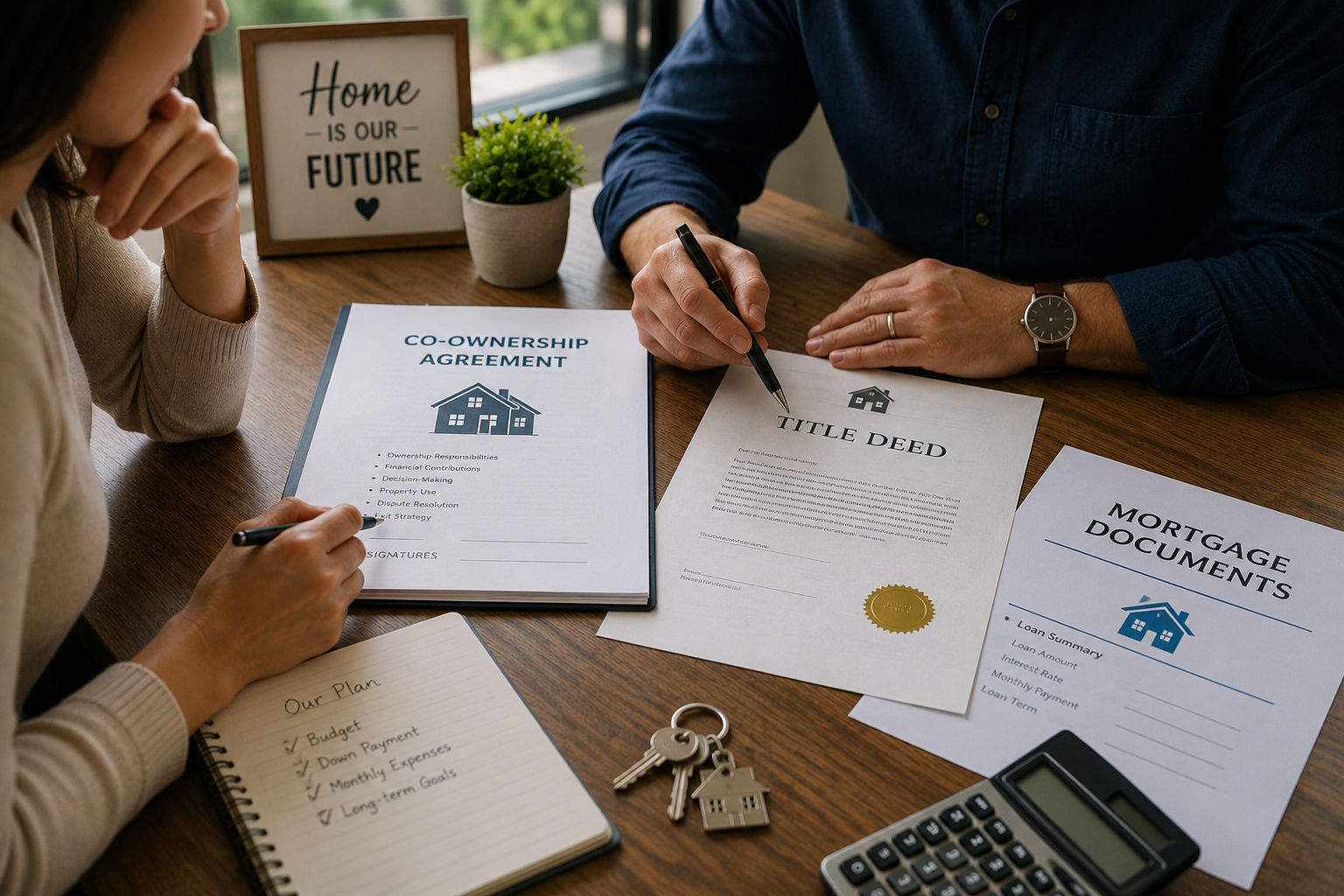
You've been looking at homes for months. Your sister offers to go in with you. Or your partner says let's do this together. Or a parent says, I'll help you qualify. Or a friend says we should buy a rental property. Suddenly that home you couldn't afford alone becomes possible. Co-owning property can absolutely be a smart move. It can get you into a home sooner, help you build equity faster, and turn a “ maybe someday ” into “ We're doing this! I've seen it work beautifully for hundreds of families over the years. But I've also seen it go sideways. Not because people had bad intentions, but because they skipped the hard conversations and left the details to chance. When co-ownership isn't structured right from the start, it doesn't just cause tension. It can turn into an expensive, exhausting legal mess that takes years to untangle. Here's what you need to know before you sign anything.
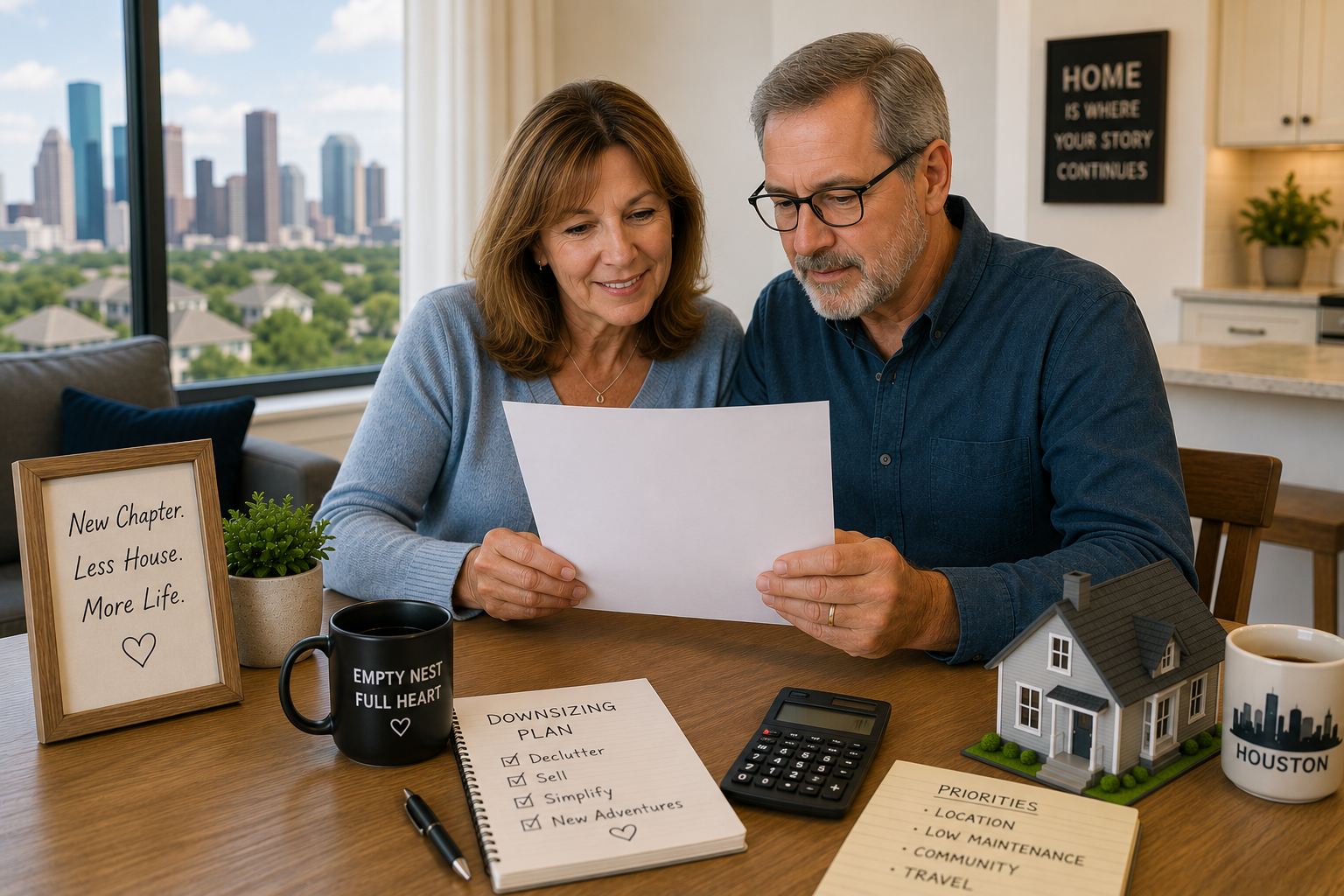
An empty nest couple reviewing paperwork for downsizing in Houston to a smaller home
By Jennifer Hernandez July 24, 2026
Texas seniors can now exempt up to $200,000 from school taxes and transfer their tax freeze to a new home. Before buying a townhome or 55+ condo, ask these three HOA questions. Get smart downsizing tips from Houston loan officer Jen Hughes Hernandez.
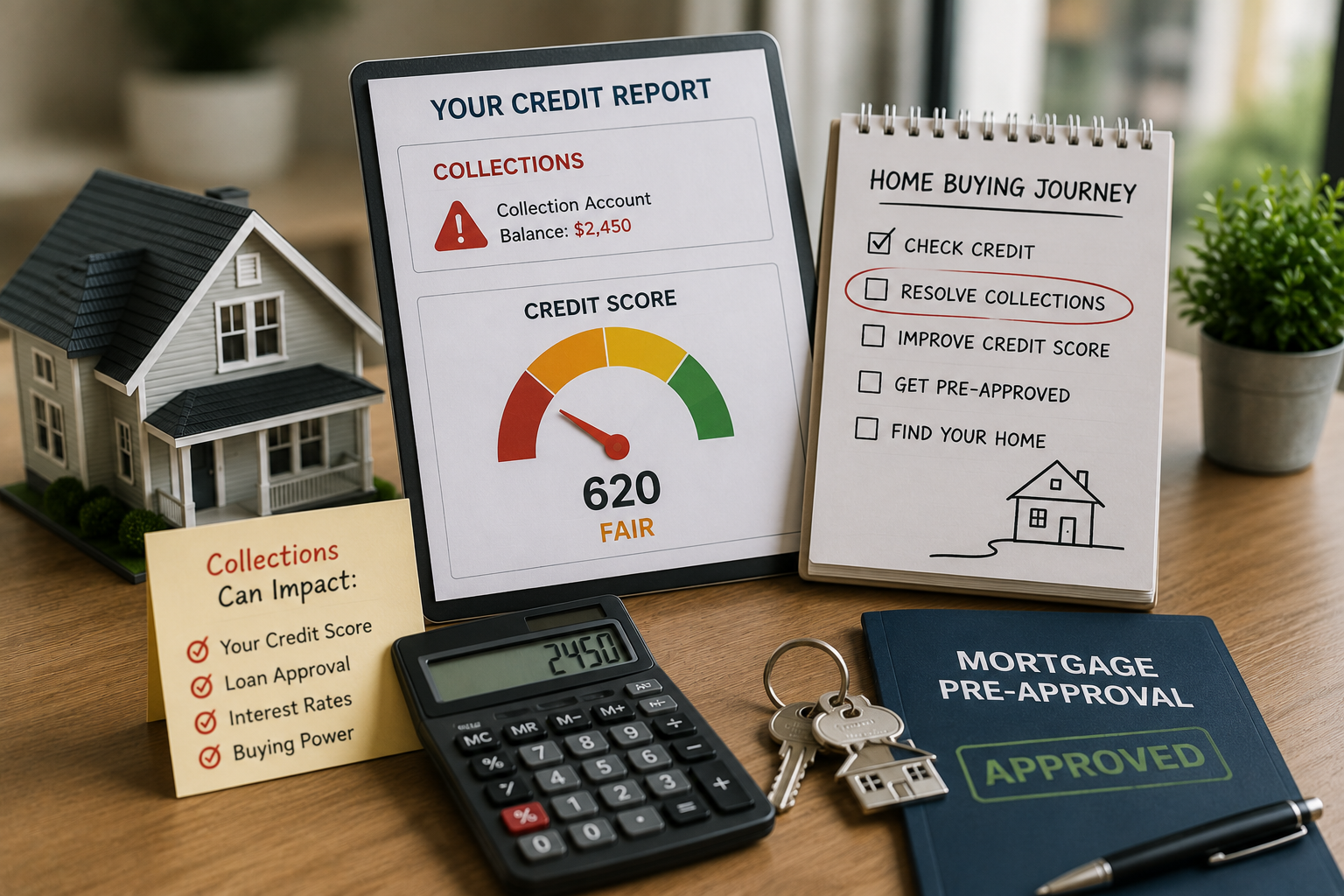
Desk with credit report, mortgage approval folder, calculator, and bill reminders showing finances and debt management
By Jennifer Hernandez July 20, 2026
Learn how collections impact your home buying journey. Get tips to navigate credit issues and secure your mortgage today!
By Jennifer Hernandez July 17, 2026
If you're a first-time homebuyer in Houston, you've probably felt that sinking feeling when you calculate how much cash you'll need upfront. Between the down payment, closing costs, and reserves, it can feel like you need tens of thousands of dollars just to get your foot in the door. But here's what many Houston homebuyers don't realize: there are numerous programs designed specifically to help with these upfront costs—and you might qualify for more help than you think. The problem isn't that assistance doesn't exist. The real issue is that most people simply don't know what's available or what questions to ask their lender. I've worked with countless Houston homebuyers who were genuinely surprised to discover they had options they never knew existed. That's exactly why it's so important to explore every possibility before you assume homeownership is out of reach. In this post, we'll walk through the types of assistance programs available to Houston first-time buyers, why so many people miss out on them, and how to make sure you're not leaving money on the table. Why Most Homebuyers Miss Out on Closing Cost Assistance Here's a scenario that plays out all too often: Someone decides they want to buy a home in Houston. They talk to a lender, get pre-approved, and then start house hunting. But when it comes time to discuss the actual costs to close, they're overwhelmed by the numbers and assume they just need to save more money. What they don't realize is that their lender might not have mentioned—or they might not have asked about—assistance programs that could cover thousands of dollars in upfront costs. The challenge isn't just a lack of programs. It's a lack of awareness. Many buyers simply don't know what questions to ask, and unfortunately, not every loan officer takes the time to explore every option with their clients. That's why working with a knowledgeable Houston mortgage professional who actively looks for ways to help you is so valuable. Types of Closing Cost Assistance Available in Houston Houston first-time homebuyers have access to several types of assistance programs, and the good news is that you might qualify for more than one. Here's what's out there: Down Payment Assistance Programs These programs can provide grants or low-interest loans to cover part or all of your down payment. Some are specific to Texas, while others are available through federal programs. The Texas State Affordable Housing Corporation (TSAHC) and the Texas Department of Housing and Community Affairs (TDHCA) both offer programs that Houston buyers can access. Closing Cost Grants Beyond down payment help, many programs also assist with closing costs—the fees you pay to finalize your mortgage. These can include appraisal fees, title insurance, origination fees, and more. Grants don't need to be repaid, making them especially valuable. Seller Concessions In some market conditions, you can negotiate for the seller to cover a portion of your closing costs. This isn't a formal "program," but it's a strategy that can save you thousands when structured correctly. Employer Assistance Programs Some major Houston employers, including hospitals, universities, and corporations, offer homebuyer assistance as an employee benefit. It's worth checking with your HR department to see if this perk exists at your company. What You Should Ask Your Lender Don't wait for your lender to bring up assistance programs—take the initiative. Here are the key questions you should ask: "What down payment assistance programs am I eligible for based on my income and the home price I'm targeting?" "Are there any grants available that don't need to be repaid?" "Can I combine multiple assistance programs?" "What are the requirements or restrictions if I use these programs?" Remember, not all lenders are equally knowledgeable about every program available. If your lender seems unsure or dismissive, that might be a sign you need to work with someone who specializes in helping first-time buyers navigate these options. Don't Count Yourself Out Too Soon One of the biggest mistakes Houston homebuyers make is assuming they don't qualify for help before they even apply. Income limits for assistance programs are often higher than people expect, and there are programs designed for moderate-income buyers, not just those in financial hardship. The only way to know what you qualify for is to actually explore your options. That means having detailed conversations with your lender, doing your own research, and being willing to ask questions even if they feel basic. This is your financial future—there's no such thing as a dumb question
By Jennifer Hernandez July 14, 2026
If you're a renter in Houston scrolling through Zillow on a Saturday morning, dreaming about having your own backyard or a place where you can finally paint the walls, you've probably caught yourself thinking: "I'm just not ready yet." Maybe you think you need a bigger down payment, a perfect credit score, or another year of savings. But here's what most first-time homebuyers don't realize—waiting for the "perfect" moment often means missing out on the right moment. The truth is, you might be closer to homeownership than you think. If you have steady income, you've started saving (even if it's not a huge amount), and you're seriously considering buying a home within the next year, you could already qualify. The biggest mistake isn't being unprepared—it's convincing yourself you're not ready when you actually are. In this post, we'll break down the real signs that you're ready to buy a home in Houston, why waiting can actually cost you more, and how to take the first step without second-guessing yourself Why First-Time Buyers in Houston Think They're Not Ready The "Someday" Trap Many renters in Houston fall into what I call the "someday" trap. Someday I'll have 20% down. Someday my credit will be perfect. Someday I'll feel completely confident. The problem? Someday keeps getting pushed further away while home prices and rent keep climbing. Houston's real estate market has shown consistent growth over the years, and waiting for the perfect conditions often means paying more later—both in home prices and in the rent you're spending while you wait. Myths That Keep You Waiting Let's clear up some common misconceptions. You don't need a 20% down payment (many first-time buyer programs require as little as 3-5%). You don't need perfect credit (though good credit certainly helps with interest rates). And you don't need to have everything figured out before you start the conversation with a mortgage professional. The Real Signs You're Ready to Buy a Home You Have Stable Income If you've been employed consistently and your income is reliable, you're checking one of the most important boxes. Lenders want to see that you can make your mortgage payments, and a steady job history shows exactly that. In Houston's diverse economy—from the Medical Center to the Energy Corridor—stable employment is often more achievable than first-time buyers realize. You've Started Saving Money Notice I didn't say "you've saved $50,000." If you've been consistently setting aside money, even if it's a few hundred dollars a month, you've developed the financial discipline that homeownership requires. Plus, there are down payment assistance programs available to Houston buyers that can help bridge the gap between what you've saved and what you need. You're Thinking Seriously About the Next Year Here's the key indicator: if buying a home has moved from a vague "someday" dream to something you're actively researching and thinking about for the next 6-12 months, that mindset shift matters. It means you're mentally and emotionally moving toward readiness, and that's often when it makes sense to have a real conversation about your options. Why Making a Plan Beats Waiting Knowledge Replaces Fear Most people wait because they don't know what they don't know. The home buying process feels mysterious and overwhelming. But once you sit down with a knowledgeable mortgage professional and create an actual plan, that fear transforms into clarity. You'll learn exactly what you qualify for, what you need to work on, and what timeline makes sense for your situation. Time Is Working Against You Every month you wait is a month you're paying someone else's mortgage through rent instead of building your own equity. In Houston neighborhoods from the Heights to Pearland, home values have historically appreciated over time, meaning earlier buyers have benefited from that growth. You Can Start Where You Are You don't have to be perfect to start the process. Maybe you'll learn you could buy now, or maybe you'll discover you need another six months to improve your credit score or save a bit more. Either way, you'll have a roadmap instead of just hoping you'll somehow feel "ready" eventually
By Jennifer Hernandez July 10, 2026
If you bought your Houston home before 2022, you're likely sitting on a goldmine of equity—and you might be wondering how to tap into it without touching that beautiful 2%, 3%, or 4% mortgage rate you locked in. Maybe you're thinking about home improvements, consolidating high-interest debt, or building a financial cushion for your next move. Whatever your reason, you're not alone. More Houston homeowners than ever are exploring ways to access their home equity while keeping their low-rate first mortgage intact.  The good news? You have options. The two most popular are HELOCs (Home Equity Lines of Credit) and home equity loans—and while they sound similar, they work very differently. In this post, I'll break down what each one is, how they work, and which might be the better fit for your financial goals. No jargon, no runaround—just the facts you need to make a smart decision.
realtor providing the easiest way to buy a house
By Jennifer Hernandez July 29, 2025
Buying a house is a big process and if you don't use a Realtor, you are missing out on expertise that can save you thousands of dollars and hundreds of hours.
Person reviewing paperwork for a loan application.
By Jennifer Hernandez July 22, 2025
Being honest on your loan application is important. The consequences of lying on your loan application can be costly, time-wise and financially.
More Posts