Every week we release educational videos related to hot topics in the mortgage industry on YouTube.
Subscribe to our channel to stay in-the-know!
If you've recently bought your first home in Houston—or you're planning to—congratulations! But here's a question that might not have crossed your mind yet: What happens to your house when you're gone?
Many first-time homebuyers assume they'll just write a will and call it a day. But there's another option that could save your loved ones time, money, and a major headache: putting your house in a trust. I recently sat down with Joyce Alinurek, an estate planning attorney here in Texas, to talk through exactly how this works—and whether it's something you should consider.
(Full transparency: I have a trust in myself, but I hadn't yet put my house in it, so I had some selfish questions to ask!)
Let's break down what it means to put your Houston home in a trust, why you'd want to do it, and the practical steps to make it happen.
Here's the short answer: a trust helps your loved ones avoid probate.
Probate is the legal process where a court validates your will and oversees the distribution of your assets. It sounds simple, but it's not. Your executor has to collect all your assets, open special accounts, get an EIN number, pay off debts, and then distribute everything according to your wishes. It's time-consuming, sometimes expensive, and often stressful for grieving family members.
With a revocable living trust, you sidestep all that. When you pass away, your trustee (the person you've chosen to manage the trust) can transfer assets—including your home—without going through probate. Everything happens privately, quickly, and according to the instructions you've left in the trust document.
Let's clarify terms, because estate planning can feel like "alphabet soup city," as Joyce put it.
Think of it as a set of instructions that takes effect when you're no longer around. You're the "puppet master from the grave," as Joyce joked—but in a good way.
Option 1:
Close on the house in the name of the trust
If you're buying a home and you already have a revocable living trust set up, you can tell your lender (like me!) that you want to close in the name of the trust. This is the cleanest, easiest option. Just make sure your lender reviews the trust document to confirm it's revocable—lenders need to protect their foreclosure rights, so this step matters.
Option 2: Transfer your home into the trust after you've already bought it
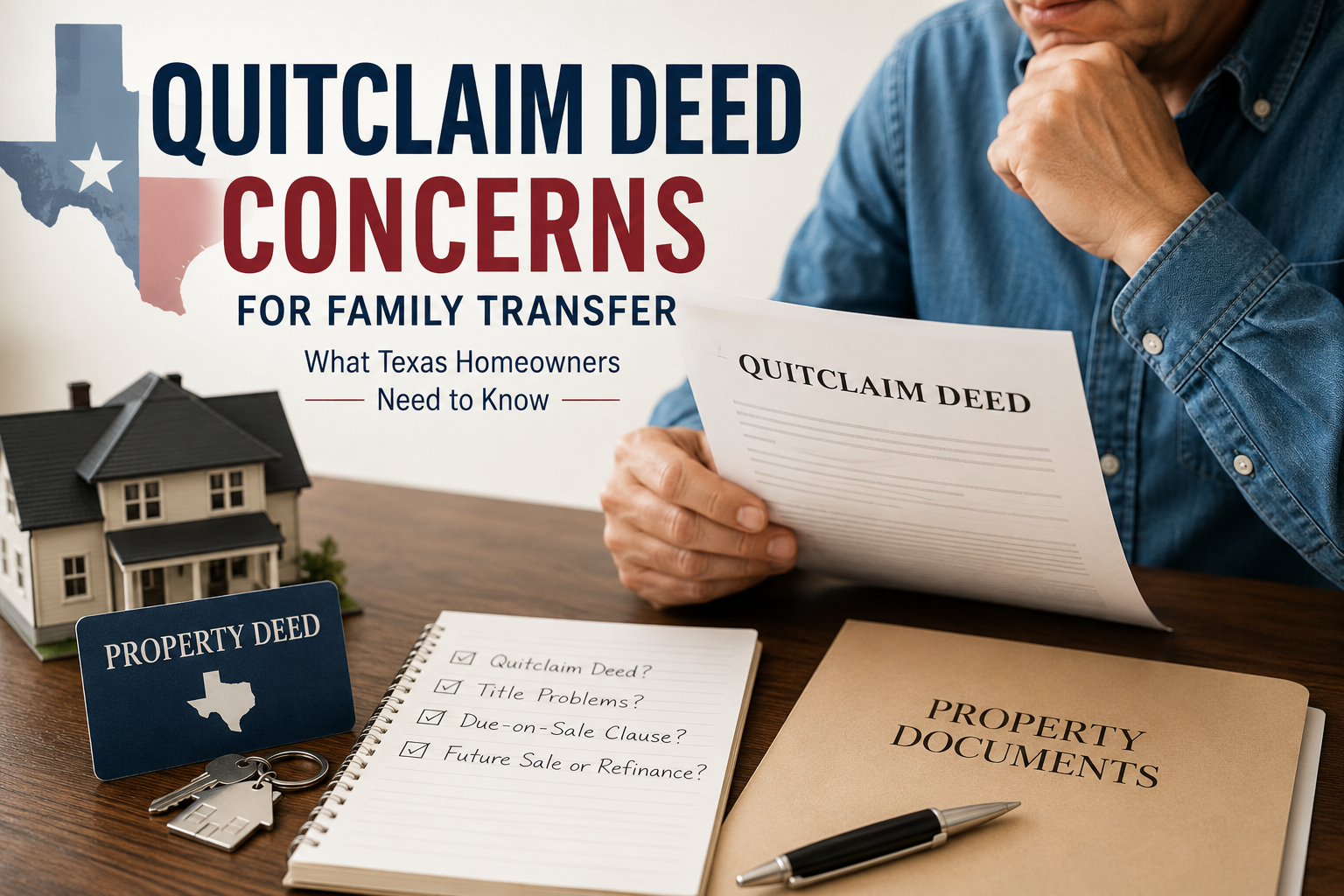
Already own your home? No problem. You can deed your house to your trust after the fact. Here's the process:
Most mortgage companies don't have an issue with this because nothing really changes—you're still the same person, just wearing a different legal hat. Your Social Security number stays the same, and you're still responsible for the mortgage.
If dealing with your mortgage company sounds like a hassle (and let's be honest, navigating those 1-800 numbers can feel like a black hole), there's another option: a Transfer on Death deed.
This deed automatically transfers your house to your trust when you die—no probate needed. Your mortgage company doesn't need to be involved until after you've passed, at which point your trustee notifies them that the house has been transferred subject to the existing mortgage. For many homeowners, this is simpler and less disruptive.
Please don't try to do this yourself with forms you downloaded online. I can't stress this enough.
Estate planning attorneys see the fallout from DIY estate plans all the time—and the cost of fixing those mistakes is far greater than the modest fee an attorney charges upfront. A qualified Texas estate planning attorney will make sure your trust is set up correctly, your deed is drafted properly, and your loved ones won't face unnecessary complications down the road.
Putting your Houston home in a trust isn't just for the wealthy—it's a smart move for any homeowner who wants to make life easier for their loved ones. Whether you close in the name of your trust from day one or transfer your home later, the key is working with a qualified estate planning attorney who understands Texas law.
Want to see the full conversation with Joyce? Watch the video here. You'll get even more detailed insights into trusts, estate planning, and protecting your home.
And if you're buying a home in Houston and have questions about trusts, mortgages, or anything in between, don't hesitate to reach out—I'm here to help you every step of the way.
Contact Me Today







All Rights Reserved | Jennifer Hughes Hernandez | Senior Loan Officer | NMLS #514497
Full service residential lender with an experienced team offering expert service, reliable communications and on-time closings in the greater Houston area.

Every week we release educational videos related to hot topics in the mortgage industry on YouTube.
Subscribe to our channel to stay in-the-know!
Gardner Financial Services, Ltd., dba Legacy Mutual Mortgage, NMLS #278675, a subsidiary of Prosperity Bank. 18402 U.S. Highway 281 N, Ste. 258, San Antonio, TX 78259. AZ BK-2001467. Check registration and licensing at nmlsconsumeraccess.org. Legacy Mutual Mortgage is an Equal Housing Lender. This is not a commitment to lend. Material is informational only and should not be construed as investment or mortgage advice. Legacy Mutual Mortgage is not an agency of the federal government. Not all loan products are available in all states. All loans are subject to credit and property approval. Not all applicants qualify. Restriction and conditions may apply. Information and programs current as of date of distribution but may change without notice. [11/2025]