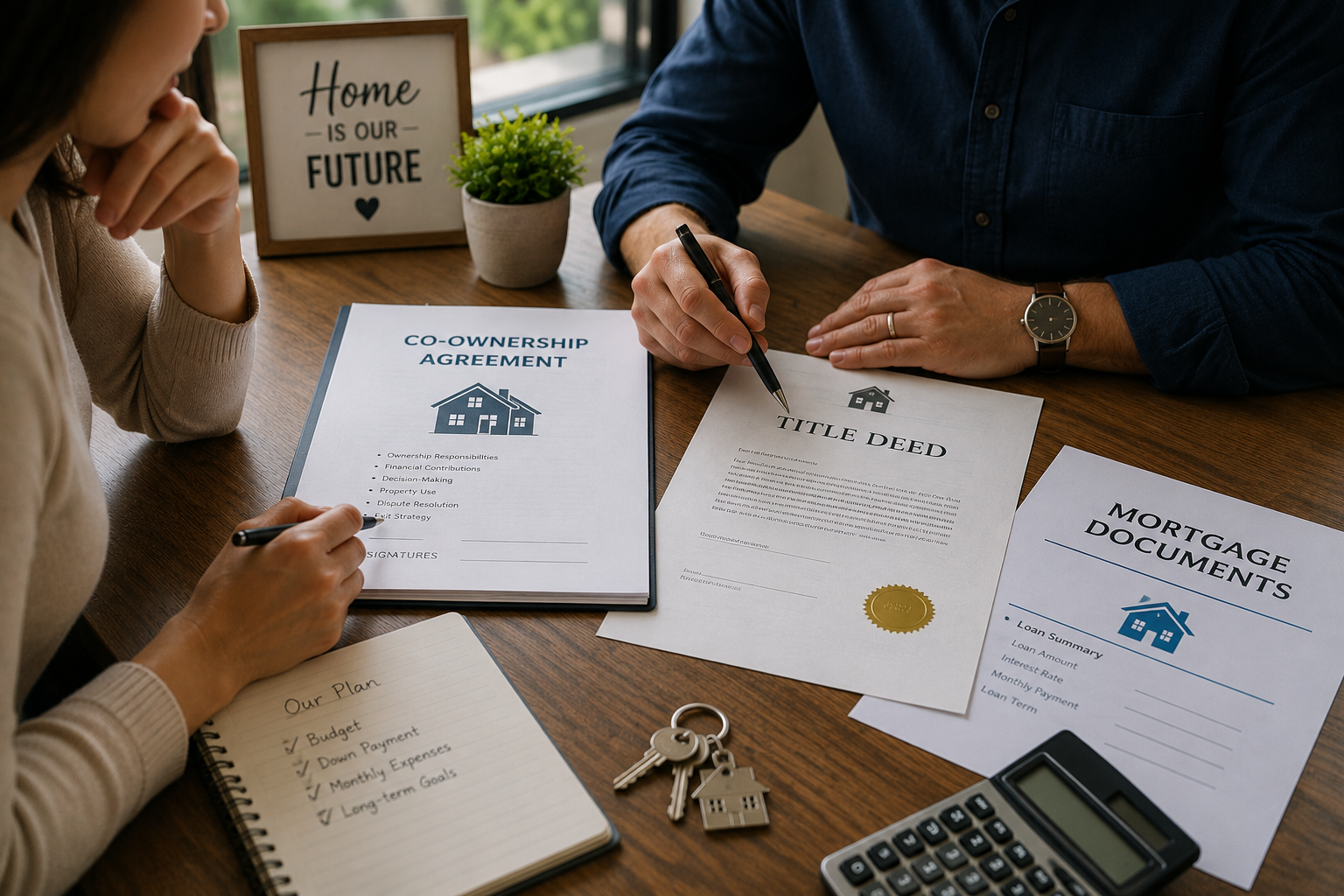
Homebuyer Assistance in Texas

Jennifer Hernandez • July 31, 2023

As housing prices go up and as increased inflation makes it more difficult for us to save money, more and more people are having trouble purchasing homes.


What you might not realize though, is that there are homebuyer assistance programs that you can utilize in order to make purchasing a home a reality. 

In this article, we're going to discuss homebuyer assistance in Texas, specifically showing you all the funding options you need to help you buy a house. Let's go!

Home Buyer Programs in Texas

If you're looking for a mortgage for your home, there are several state programs you can take advantage of in Texas. This article will cover the state programs, but keep in mind there might be some other localized programs in your county or city that can be taken advantage of. All of the programs mentioned here are all subject to availability. They are funded in the form of bonds and grants from the federal and state governments, and from time to time run out of funds. Be sure to keep tabs on the websites linked below, for the individual programs where you can check availability.


In all of these programs below, there are income limits, credit score requirements, and a home buyer course must be taken. In addition, there are expanded limits and availability for buyers in targeted areas, which means that these areas average income does not meet the median for the area. Targeted areas in Texas can be seen here using this map tool.

  • In addition, each of these programs below are offered in different types, and you will see the terms grant, bond, and non - bond. These terms indicate the type of assistance based on state and federal government terms and the types of funds they are allocated to. The terms can be confusing! Here is a video from the Texas State Affordable Housing Corporation about bond vs non - bond assistance

All down payment assistance applies to primary residences only.

If you're a first time homebuyer, and you live in the state of Texas, you should look at the My First Texas Home program provided through Texas Department of Housing and Community Affairs (TDHCA). The assistance available is 2-5% of the loan amount in the form of monetary assistance. The buyer must go through an approved lender for the program. There are a few restrictions on this state assistance. You must have a credit score of 620 or higher as well as meet the income limits for your county. Be aware that the household income is used for the income limit restriction. This means that even if your spouse is not on the loan due to a low credit score, their income will still need to be factored into the income limit calculation.


To be qualified as a first time buyer, you will be asked if you have owned a home, aka been in title to a home, in the last 3 years. If no, you are considered a first time buyer for lending purposes! Three years tax returns will be required in order to verify that no mortgage interest has been deducted for the last 3 years, therefore sufficing the first time home buyer requirement. In addition the returns are looking for household income.


The assistance funds are sent to closing in a lump sum, and will credit your cash to close. Your lender works with the state agencies directly, and you are only required to a) meet the qualifications above, b) take a homebuyer course prior to closing , and c) be approved for your mortgage of FHA, Conventional, USDA or VA. No private or portfolio loans are applicable for this assistance. Property types allowable are single family, duplexes , townhouse, condo, and manufactured homes only.


The assistance options are either repayable or forgivable after 3 years. At the closing , a second lien is created behind your mortgage, and this lien is either forgiven after 3 years, as long as you do not refinance or sell the home within that time. If you choose the repayable option, it will be due and payable at the time the original loan is paid off. This means at either a refinance or a sale. But keep in mind, your home value will likely rise each year, so that will absorb the cost nicely in the future, therefore the rising value in your home will help payoff the assistance amount.


For buyers obtaining assistance, the interest rates for your FHA, Conventional, USDA, or VA loan, are set by the state. No matter which lender you choose, the rates will be the same. There is also no buydown of rate available. For this reason, be sure you are with the right lender, and this video will educate you on How to Choose a Lender!


If you are thinking your credit score might be below the 620 required for the My First Texas Home program the video below has tips on how to improve your credit score.

My Choice Texas Home is similar to My First Texas Home and is also provided through the Texas Department of Housing and Community Affairs (TDHCA). However, it's available to all homebuyers in Texas, regardless of whether they've owned a home before. In fact, there is no prior residency requirement. This means that even newcomers to Texas are able to benefit from down payment assistance!


In addition, the household income is not assessed, only the income used on the qualifying loan application. This is really helpful when we are using only 1 borrowers income to qualify within the income limits. Additionally, the income limits for this program are HIGHER than the My First Texas program, making it available to more homeowners.


  • This program also allows for 2-5% of the loan amount in the form of assistance, and like its sister program My First Texas, is a lien on your property that is either repayable or forgiven after 3 years. Keep in mind, that that the rates on the forgivable loans are higher, so discuss with your lender which is right for you. Especially if you anticipate moving or refinancing in the future. 

Home Sweet Texas Home Loan Program TSAHC

The Texas State Affordable Housing Corporation (TSAHC) offers a 30-year fixed-rate mortgage and the option for 5% down payment assistance, through the program called Home Sweet Texas Home Loan program. Similar to the TDHCA programs discussed above, there are income limits based on county, and credit scores must be over 620 for government loans (FHA, VA and USDA) , and for Conventional loans the scores must be above 640. There is no first time buyer requirement for this program, so it is available to all buyers in Texas that meet the credit score and income limitation. There are exceptions, and a first time buyer requirement if the assistance is a non - bond type of assistance. So its best to discuss with your Texas approved lender about these programs!


The buyer is required to take a Homebuyer education course . It is important to note that funds are available only to those buyers that are approved for these types of loans: FHA, VA, USDA or Conventional. In addition, the funds are subject to availability of the funds through the TSAHC. A list of funds, rates and availability can be found HERE.


This assistance is available in the forms of grants, that require no repayment, and also repayable liens that are placed on your property at closing. When you payoff the existing loan through a refinance or sale, the lien will be repayable. Another option could be a forgivable 2nd lien, that is forgiven after 3 years . This means you are not able to refinance or sell for that period of time. If you do, the monies will be due and payable at that time.


Keep in mind all of these programs are subject to availability. At times, the funds are depleted, and the programs are suspended, until such a time they receive additional funding . Sometimes this can take weeks or months.


Additional fees for this loan are generally an additional total of $550, and also a 1% Origination Fee to the originating lender. These are fees to consider when comparing to other assistance programs. Your local Texas based lender can help you navigate the programs and which one is better for your situation!

Homes for Texas Heroes Program TSHAC

The Homes for Texas Heroes Program is a second assistance program offered through the Texas State Affordable Housing Corporation (TSAHC) . It is available to those Texans that we value as heroes in the jobs that they perform daily to make our community a better place. These professions include but aren't limited to police, public school teachers, fire fighters, school counselors, school nurses, school librarians, corrections officers, EMS personnel, and veterans or active military. This program is similar to Home Sweet Texas Home but offers a $500 savings if you use the mortgage credit certificate (MCC) option (see below), which contains specific fees.


It is important to note that the income limits for this program differ than that of the TDHCA programs listed above. The program has a useful chart you can refer to the different credit scores (some are 640 vs 620) and interest rates and availability of the 2-5% programs. Keep in mind all of these programs are subject to availability.


There are options that are forgivable, and also repayable. Also if you are buying in a targeted area, you will have increased income limits and lower interest rates available to you.


Below is a video you can watch that also explains first time buyer benefits in Texas!

Check out first-time homebuyer benefits in Texas

Texas Mortgage Credit Certificate (MCC)

Another benefit available to first-time Texan homeowners is the Mortgage Credit Certificate, also known as and MCC Credit. This is a federal benefit, that was established by the Deficit Reduction Act of 1984. It is money that is distributed on the state level , through state agencies such as our Texas Department of Housing and Community Affairs (TDHCA) and Texas State Affordable Housing Corporation (TSAHC). This program allows you to deduct a dollar from your federal taxes for every dollar that you put toward paying off the interest on your mortgage. Here is a link to take the eligibility quiz in Texas, and how much benefit you could be eligible for.


There are income and home purchase price requirements that you must meet in order to engage in this program. However, if you satisfy these requirements, you could save hundreds or even thousands of additional dollars every year.

Home Ownership Across Texas Grant

This grant is offered to any Texas homeowner who's purchasing a home with a mortgage. If you have a conventional mortgage, you can receive a grant of up to 3% of the mortgage price. If you have a government-backed mortgage, you can receive up to 5% of the mortgage price.

5 Star Texas Advantage Program SETH 

If you live Texas, you can utilize the 5 Star Texas Advantage Program. The only counties currently excluded are El Paso, McKinney, Grand Prairie , and Travis. This assistance is offered by the Southeast Texas Housing Finance Corporation. It offers up to 5% of the mortgage price for a down payment and closing costs, and does NOT have a first time buyer requirement! In addition, the income limits are higher than most of the non targeted are programs of the TDHCA and TSHAC so it opens up availability for many households.


Income limits are required, as well as a 640 minimum credit score. Types of loans eligible are FHA, USDA, VA and Conventional. Debt to income requirements are 45-50%, and the interest rate and fees will change depending on your specific credit score and debt to income ratio.


Here is the 5 Star Program website to find out more!

There are Many Homebuyer Assistance Programs in Texas

If you're interested in buying a house but are struggling to gather the necessary funding, you would be wise to look to homebuyer assistance programs. As you can see, there are a number of homebuyer assistance programs available in Texas. They could be just the help you need to get pre-approval and make your first home purchase. 


Need help with homebuyer assistance so that you can secure a mortgage? Look no further than Loan With Jen, Houston-area lender since 1995.


Contact me now to get the mortgage process started!

By Jennifer Hernandez July 17, 2026
If you're a first-time homebuyer in Houston, you've probably felt that sinking feeling when you calculate how much cash you'll need upfront. Between the down payment, closing costs, and reserves, it can feel like you need tens of thousands of dollars just to get your foot in the door. But here's what many Houston homebuyers don't realize: there are numerous programs designed specifically to help with these upfront costs—and you might qualify for more help than you think. The problem isn't that assistance doesn't exist. The real issue is that most people simply don't know what's available or what questions to ask their lender. I've worked with countless Houston homebuyers who were genuinely surprised to discover they had options they never knew existed. That's exactly why it's so important to explore every possibility before you assume homeownership is out of reach. In this post, we'll walk through the types of assistance programs available to Houston first-time buyers, why so many people miss out on them, and how to make sure you're not leaving money on the table. Why Most Homebuyers Miss Out on Closing Cost Assistance Here's a scenario that plays out all too often: Someone decides they want to buy a home in Houston. They talk to a lender, get pre-approved, and then start house hunting. But when it comes time to discuss the actual costs to close, they're overwhelmed by the numbers and assume they just need to save more money. What they don't realize is that their lender might not have mentioned—or they might not have asked about—assistance programs that could cover thousands of dollars in upfront costs. The challenge isn't just a lack of programs. It's a lack of awareness. Many buyers simply don't know what questions to ask, and unfortunately, not every loan officer takes the time to explore every option with their clients. That's why working with a knowledgeable Houston mortgage professional who actively looks for ways to help you is so valuable. Types of Closing Cost Assistance Available in Houston Houston first-time homebuyers have access to several types of assistance programs, and the good news is that you might qualify for more than one. Here's what's out there: Down Payment Assistance Programs These programs can provide grants or low-interest loans to cover part or all of your down payment. Some are specific to Texas, while others are available through federal programs. The Texas State Affordable Housing Corporation (TSAHC) and the Texas Department of Housing and Community Affairs (TDHCA) both offer programs that Houston buyers can access. Closing Cost Grants Beyond down payment help, many programs also assist with closing costs—the fees you pay to finalize your mortgage. These can include appraisal fees, title insurance, origination fees, and more. Grants don't need to be repaid, making them especially valuable. Seller Concessions In some market conditions, you can negotiate for the seller to cover a portion of your closing costs. This isn't a formal "program," but it's a strategy that can save you thousands when structured correctly. Employer Assistance Programs Some major Houston employers, including hospitals, universities, and corporations, offer homebuyer assistance as an employee benefit. It's worth checking with your HR department to see if this perk exists at your company. What You Should Ask Your Lender Don't wait for your lender to bring up assistance programs—take the initiative. Here are the key questions you should ask: "What down payment assistance programs am I eligible for based on my income and the home price I'm targeting?" "Are there any grants available that don't need to be repaid?" "Can I combine multiple assistance programs?" "What are the requirements or restrictions if I use these programs?" Remember, not all lenders are equally knowledgeable about every program available. If your lender seems unsure or dismissive, that might be a sign you need to work with someone who specializes in helping first-time buyers navigate these options. Don't Count Yourself Out Too Soon One of the biggest mistakes Houston homebuyers make is assuming they don't qualify for help before they even apply. Income limits for assistance programs are often higher than people expect, and there are programs designed for moderate-income buyers, not just those in financial hardship. The only way to know what you qualify for is to actually explore your options. That means having detailed conversations with your lender, doing your own research, and being willing to ask questions even if they feel basic. This is your financial future—there's no such thing as a dumb question
By Jennifer Hernandez July 14, 2026
If you're a renter in Houston scrolling through Zillow on a Saturday morning, dreaming about having your own backyard or a place where you can finally paint the walls, you've probably caught yourself thinking: "I'm just not ready yet." Maybe you think you need a bigger down payment, a perfect credit score, or another year of savings. But here's what most first-time homebuyers don't realize—waiting for the "perfect" moment often means missing out on the right moment. The truth is, you might be closer to homeownership than you think. If you have steady income, you've started saving (even if it's not a huge amount), and you're seriously considering buying a home within the next year, you could already qualify. The biggest mistake isn't being unprepared—it's convincing yourself you're not ready when you actually are. In this post, we'll break down the real signs that you're ready to buy a home in Houston, why waiting can actually cost you more, and how to take the first step without second-guessing yourself Why First-Time Buyers in Houston Think They're Not Ready The "Someday" Trap Many renters in Houston fall into what I call the "someday" trap. Someday I'll have 20% down. Someday my credit will be perfect. Someday I'll feel completely confident. The problem? Someday keeps getting pushed further away while home prices and rent keep climbing. Houston's real estate market has shown consistent growth over the years, and waiting for the perfect conditions often means paying more later—both in home prices and in the rent you're spending while you wait. Myths That Keep You Waiting Let's clear up some common misconceptions. You don't need a 20% down payment (many first-time buyer programs require as little as 3-5%). You don't need perfect credit (though good credit certainly helps with interest rates). And you don't need to have everything figured out before you start the conversation with a mortgage professional. The Real Signs You're Ready to Buy a Home You Have Stable Income If you've been employed consistently and your income is reliable, you're checking one of the most important boxes. Lenders want to see that you can make your mortgage payments, and a steady job history shows exactly that. In Houston's diverse economy—from the Medical Center to the Energy Corridor—stable employment is often more achievable than first-time buyers realize. You've Started Saving Money Notice I didn't say "you've saved $50,000." If you've been consistently setting aside money, even if it's a few hundred dollars a month, you've developed the financial discipline that homeownership requires. Plus, there are down payment assistance programs available to Houston buyers that can help bridge the gap between what you've saved and what you need. You're Thinking Seriously About the Next Year Here's the key indicator: if buying a home has moved from a vague "someday" dream to something you're actively researching and thinking about for the next 6-12 months, that mindset shift matters. It means you're mentally and emotionally moving toward readiness, and that's often when it makes sense to have a real conversation about your options. Why Making a Plan Beats Waiting Knowledge Replaces Fear Most people wait because they don't know what they don't know. The home buying process feels mysterious and overwhelming. But once you sit down with a knowledgeable mortgage professional and create an actual plan, that fear transforms into clarity. You'll learn exactly what you qualify for, what you need to work on, and what timeline makes sense for your situation. Time Is Working Against You Every month you wait is a month you're paying someone else's mortgage through rent instead of building your own equity. In Houston neighborhoods from the Heights to Pearland, home values have historically appreciated over time, meaning earlier buyers have benefited from that growth. You Can Start Where You Are You don't have to be perfect to start the process. Maybe you'll learn you could buy now, or maybe you'll discover you need another six months to improve your credit score or save a bit more. Either way, you'll have a roadmap instead of just hoping you'll somehow feel "ready" eventually
By Jennifer Hernandez July 10, 2026
If you bought your Houston home before 2022, you're likely sitting on a goldmine of equity—and you might be wondering how to tap into it without touching that beautiful 2%, 3%, or 4% mortgage rate you locked in. Maybe you're thinking about home improvements, consolidating high-interest debt, or building a financial cushion for your next move. Whatever your reason, you're not alone. More Houston homeowners than ever are exploring ways to access their home equity while keeping their low-rate first mortgage intact.  The good news? You have options. The two most popular are HELOCs (Home Equity Lines of Credit) and home equity loans—and while they sound similar, they work very differently. In this post, I'll break down what each one is, how they work, and which might be the better fit for your financial goals. No jargon, no runaround—just the facts you need to make a smart decision.
By Jennifer Hernandez July 8, 2026
If you're trying to buy your first home in Houston but keep getting turned down for a mortgage—or pre-approved for way less than you expected—your credit cards might be the culprit. It's not always about late payments or poor credit. Sometimes, it's simply about how much you're paying *monthly* on those balances and how close you are to maxing out each card. Right now, Americans are carrying over $1.3 trillion in credit card debt, and with inflation driving up the cost of groceries, gas, and just about everything else, a lot of Houston families are relying on plastic just to get by. But here's the catch: even if you're making every payment on time, high credit card balances can quietly disqualify you from getting a mortgage—or drastically lower the home price you can afford. The good news? With some strategic planning 9–12 months before you're ready to buy, you can turn this around. How Credit Card Payments Affect Your Mortgage Approval When a lender reviews your mortgage application, they're not just looking at your credit score—they're calculating your debt-to-income ratio (DTI). That means they add up all your monthly debt payments (credit cards, car loans, student loans) and compare that to your gross monthly income. Here's the kicker: every $300 per month in credit card payments can reduce your buying power by $40,000 to $50,000 . Let that sink in. If you're paying $600/month across a few cards, you could be losing access to nearly $100,000 in your home-buying budget. And lenders go off the minimum payment shown on your credit report , not your actual balance. So if you're enrolled in one of those "pay off faster" plans where you agreed to pay more each month, your credit report reflects that higher payment—and the lender counts it against you. Why Credit Card Utilization Tanks Your Credit Score Your FICO score is made up of several factors, but 30–35% of it is based on credit utilization—meaning how much of your available credit you're actually using. If you have a $5,000 limit and you're carrying a $4,500 balance, that's 90% utilization, and it hurts your score. Here's what surprises most first-time buyers: lenders look at each card individually, not your overall total . So even if you have two cards with zero balances, if you're maxed out on two others, your score takes a hit. The Ideal Credit Card Setup Most people don't know this, but the sweet spot is **two major credit cards—ideally a Visa or Mastercard that you can use anywhere. Those department store cards, gas station cards, and retail "rewards" cards? They're often doing more harm than good. If you've got more than two or three cards, it's time to start closing the ones you don't actively need. What You Can Do Right Now to Improve Your Mortgage Chances If you're stuck in the credit card hamster wheel, don't panic. You're not alone, and this is fixable. Here's your action plan: 1. Pay Down Balances Strategically Don't worry about interest rates just yet. Focus on paying off the smallest balances first . Knocking out a couple of smaller cards quickly gives you wins and frees up mental bandwidth. Once a card is paid off, close it (if you have more than two cards). Getting those accounts to zero and reducing the total number of open credit lines will help your score rebound faster. If you have several cards, throw a little money at each one to lower your utilization percentages across the board — but prioritize eliminating full balances when possible. 2. Call and Negotiate Yes, you can actually call your credit card company and ask for a lower interest rate. It doesn't always work, but it costs nothing to try. Focus on cards you've had the longest—companies reward loyalty more often than you'd think. 3. Consider a Balance Transfer You've probably gotten those 0% balance transfer offers in the mail. If you're 12+ months away from buying a home, this can be a smart move. Transfer high-interest balances to a 0% card, which frees up cash flow to pay down other debt faster. Just be aware: transferring a $10,000 balance to a $10,000 limit card means that card is now 100% utilized, which will temporarily ding your score. But if you're playing the long game and paying it down aggressively, it can work in your favor. 4. Set Up Autopay for Minimum Payments **Late payments make up another 35% of your credit score.** Between utilization and payment history, that's 70% of your score right there. Set every card to autopay at least the minimum. Then, once a month after payday, go in and make extra payments on the cards you're targeting. This way, you'll never accidentally miss a due date. Pro tip: Ask your credit card company if you can change your due date to line up with your paycheck. Not all will do it, but many will.
realtor providing the easiest way to buy a house
By Jennifer Hernandez July 29, 2025
Buying a house is a big process and if you don't use a Realtor, you are missing out on expertise that can save you thousands of dollars and hundreds of hours.
Person reviewing paperwork for a loan application.
By Jennifer Hernandez July 22, 2025
Being honest on your loan application is important. The consequences of lying on your loan application can be costly, time-wise and financially.
mortgage payment went up?
By Jennifer Hernandez July 15, 2025
Mortgage payments go up even if you have a fixed interest rate due to property taxes and insurance. Get a few tips on how to prepare for those increases.
baby boomer couple enjoying coffee on the porch
By Jennifer Hernandez July 8, 2025
Staying in your own home as you age is a priority for most homeowners. No one wants to have to leave the comfort of their home to go somewhere new.
Couple Smiling looking at document to see if they are ready to buy a house
By Jennifer Hernandez May 19, 2025
Buying a home is one of the biggest financial and emotional decisions you'll ever make. But how do you really know if you're ready? In this article, we’re breaking down five clear signs that you might be ready to buy a house—and one red flag that means you may want to wait. Whether you’re a first-time buyer or just testing the waters, this guide will help you move forward with clarity and confidence. Sign #1: You’re Financially Stable The first green light? Consistent income and job stability. If you’ve had a steady paycheck for at least two years (especially in the same industry), that’s a strong start. But it goes deeper than income: You should also have: An emergency fund covering at least 3–6 months of expenses Savings for a down payment (typically 3%–20% of the home price) Money for closing costs and moving expenses Pro Tip: Many buyers underestimate how much they’ll need after the down payment. Check out this mortgage planning article to avoid that mistake. Texas-Specific Tip: Texas has no state income tax—but property taxes are higher than the national average. Be sure to budget accordingly. You can estimate local taxes via the Texas Comptroller’s Property Tax site. https://comptroller.texas.gov/taxes/property-tax/rates/index.php Sign #2: You’ve Got Manageable Debt & Decent Credit Your debt-to-income ratio (DTI) and credit score directly impact your ability to qualify for a mortgage—and the rate you’ll get. A credit score above 620 is usually the minimum for most loan types The higher your score, the lower your interest rate—potentially saving you thousands over time If you're carrying high-interest debt, it might be wise to pause and reduce it before buying Your debt-to-income ratio is under 55%. Want to learn more? Watch How Your Credit Score Affects Your Mortgage . Sign #3: You’re Ready to Stay Put Buying a home makes more sense if you plan to stay in one place for at least 3–5 years. Why? Because selling a home comes with closing costs, commissions, and possibly capital gains taxes. If you move too soon, you may not have built enough equity to make it financially worthwhile. Ask yourself: Are you planning to stay in the same city or job? Do you feel ready to settle down a bit? Sign #4: You’re Ready for the Responsibilities of Ownership Homeownership isn’t just about finances—it’s a lifestyle shift. Are you ready to: Maintain a yard Handle repairs Budget for appliances or home upgrades These are everyday realities renters don’t usually deal with. If you’re ready to take that on, it’s a strong sign you’re ready to buy. Need a reality check? Watch The Real Cost of Homeownership for a behind-the-scenes look. Sign #5: You’ve Budgeted for the Full Cost of Homeownership It’s easy to focus just on your monthly mortgage payment—but that’s only part of the picture. You also need to budget for: Property taxes Homeowners insurance Maintenance and repairs HOA fees (if applicable) If you’ve run the numbers and still feel comfortable, you’re probably in good shape. Red Flag: You’re Buying Out of FOMO If your motivation to buy a house is: Everyone else is doing it You’re afraid of being priced out You feel pressured by social media or family Take a step back. Fear of Missing Out (FOMO) is not a solid reason to buy a home. Your decision should be based on your goals, your finances, and your lifestyle—not the market hype. Not Sure If You’re Ready? We’ve Got You Covered Download our free Homebuyer Readiness Checklist to see where you stand Check out our Blueprint to Homeownership course for a step-by-step guide through the buying process Bottom Line Buying a house isn’t something to rush—but with the right preparation, it can be one of the most rewarding decisions you ever make. If you feel financially stable, ready for long-term commitment, and confident in your lifestyle plans—you may be ready to take the next step. Have questions? Reach out here Book a 15 Mins Call and we’ll walk you through it. Want more clear, honest mortgage advice? Subscribe to Loan With Jen on YouTube
More Posts